Young Washington Had Potential, But the History Nerd in Me Couldn’t Let Go
One battle, no Revolution and a few accents that don’t add up
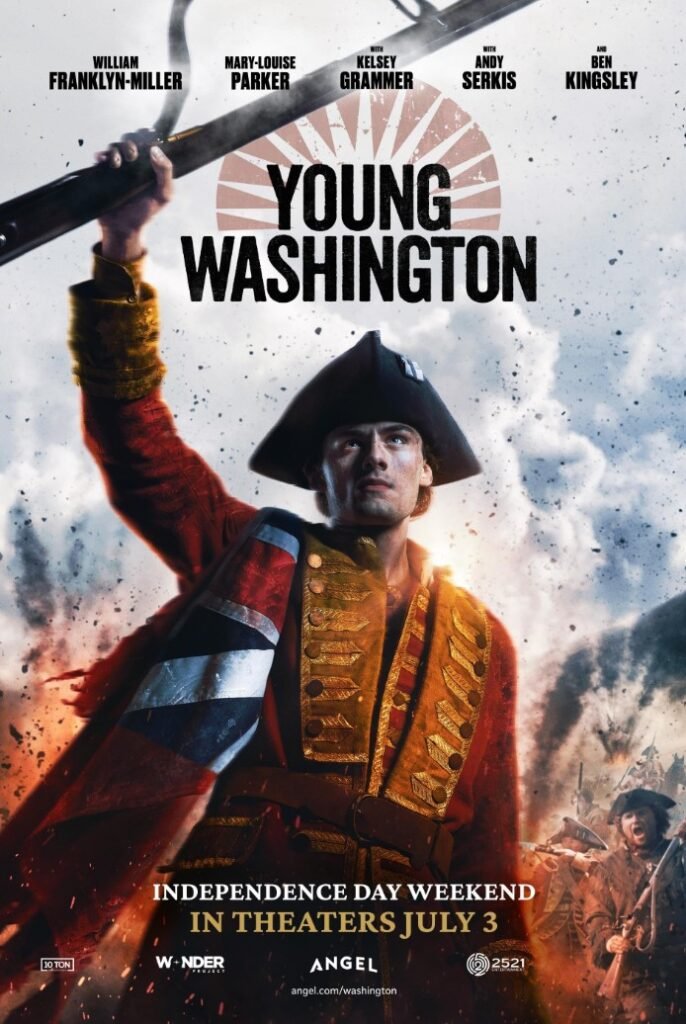
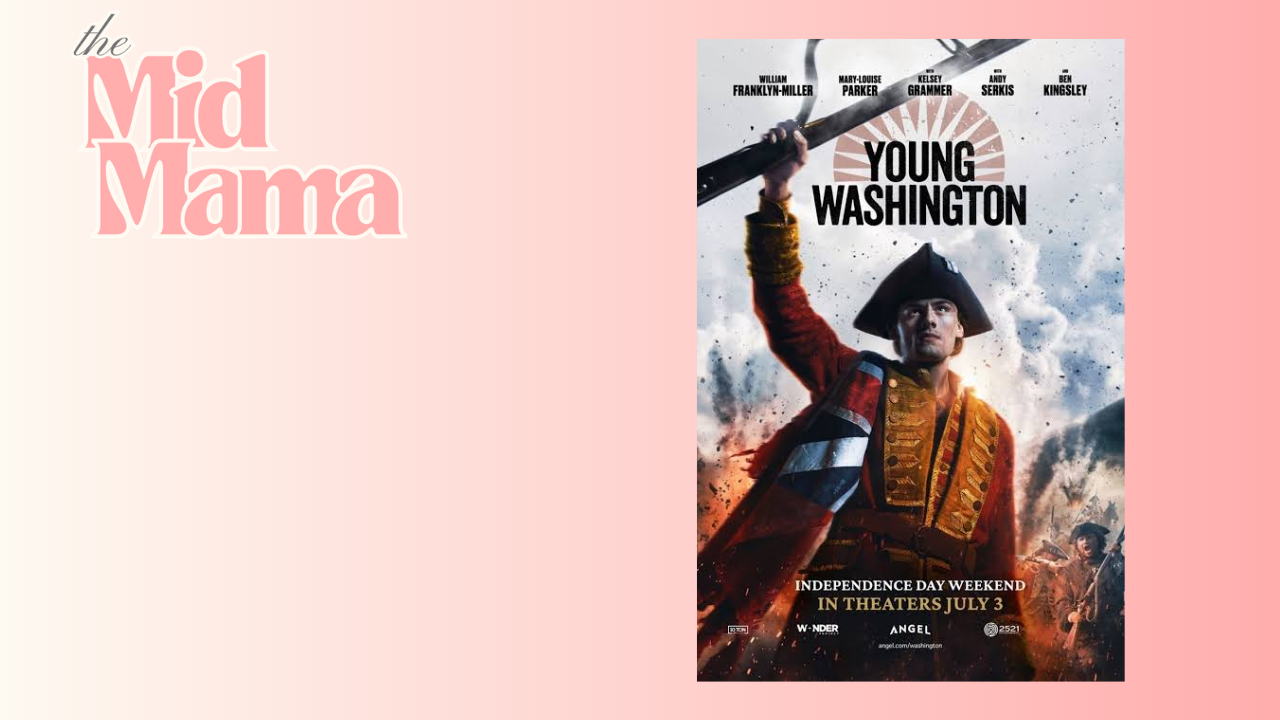
I caught “Young Washington” in the theater over the holiday weekend, and I wanted to love it. The performances pulled me in and I stayed invested in the story. But a few things kept snagging my attention, and once I noticed them, I couldn’t unsee them.
The scope felt too narrow. The film covers Washington’s late childhood and a battle in the Ohio Territory, and that’s it. It never pushes forward into the Revolutionary War, which is the chapter of his life most people actually want to see. There was room here to trace a fuller arc, from a young surveyor and militia officer to the general who led a revolution. Instead, the story stops just as it feels like it’s building toward something bigger.
The accents didn’t add up. The movie leans on Southern dialects to signal that a character wasn’t formally educated, but that’s a shortcut that doesn’t hold up to the era. In the 1740s and 1750s, colonial America was still deeply tied to Britain, linguistically and culturally. Plenty of people across social classes, educated or not, spoke closer to the King’s English than to anything resembling a modern Southern drawl. The distinct Southern accent as we recognize it today didn’t fully form until well after the Revolution, shaped by later waves of immigration, regional isolation, and generations of linguistic drift. Using it as 1740s shorthand for “uneducated” flattens a much more complicated linguistic reality.
Then there’s the “okay.” In one scene, Washington reassures a dying soldier, by repeating “You’ll be okay.” It’s a small moment, but it stopped me cold. “OK” didn’t enter the American vocabulary until the 1830s, most likely as a Boston newspaper joke abbreviating “oll korrect.” It would have been nearly a century too early for anyone in the 1740s colonies to say it, let alone the future first president.
None of this ruins the film. The acting carries a lot of weight, and I’m glad I saw it. But when a production leans this heavily on “based on true events,” the small stuff matters, and so does the bigger picture. Language is one of the easiest details to get right, and the story’s scope is one of the easiest things to get ambitious about. This felt like a movie that played it safe on both counts.
Did anyone else catch these, or am I the only one fact-checking dialogue and wishing for a more expanded story?





Leave a Reply